

brand voice identity
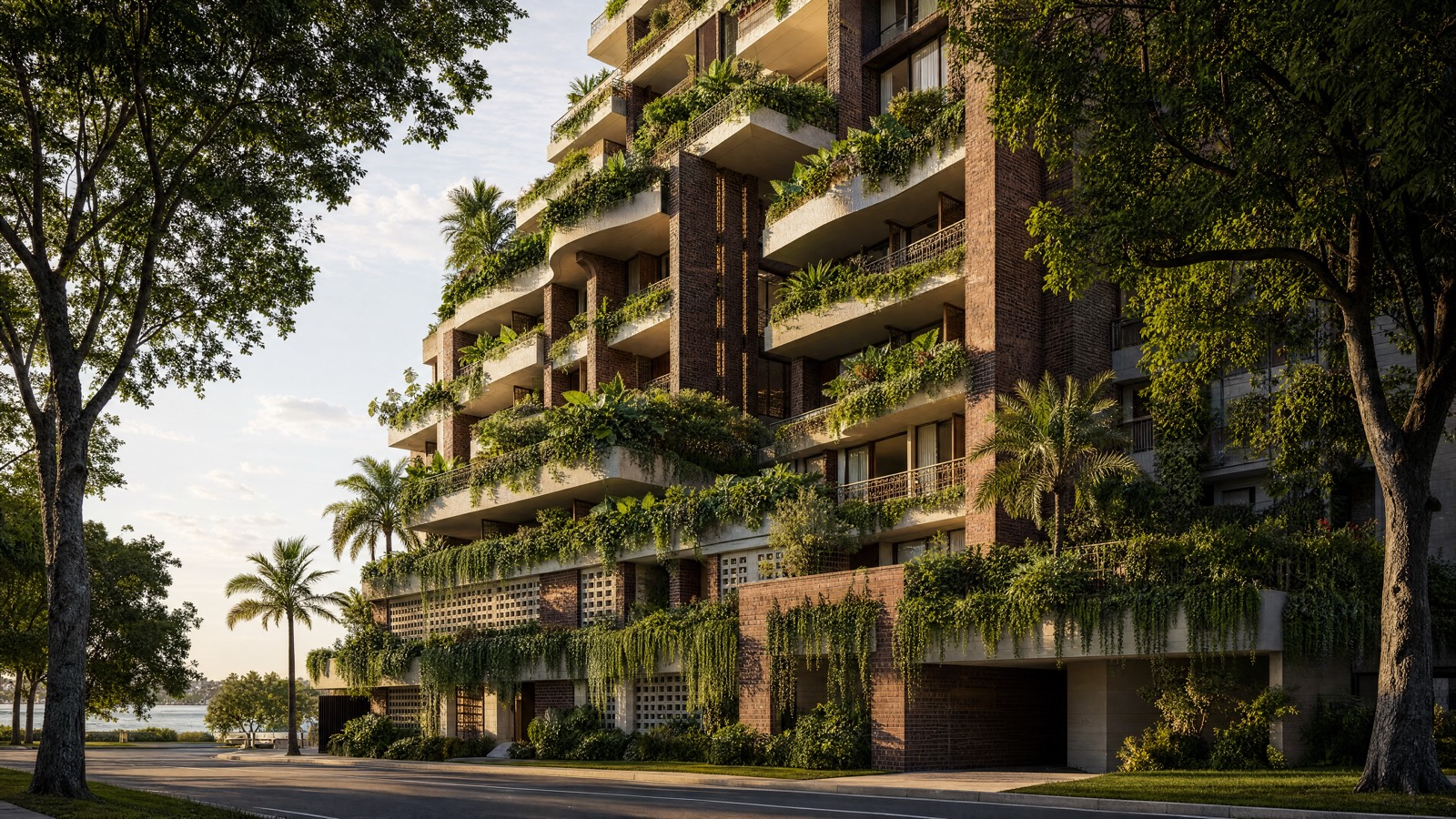
Our new View · FY27The newest homes in Australia's best neighbourhoods.
How we speak, what we stand for, and why the language we choose
is the most important decision we make.
The buyers of tomorrow are already here.
Property in Australia is changing. The buyers entering the market now are doing so later, saving longer, and carrying expectations the industry hasn't always earned. This document is our commitment to meeting them well.
In the 1970s, that number was 25 to 26. In the early 2000s, it was 30. A decade ago it was around 32. Today it is 36, and rising. The average Australian now spends over a decade more of their life trying to enter the market than their parents did.
ABS Census data across 1991, 2006 and 2021 shows home ownership declining with every successive generation at the same life stage. Millennials are more educated, work more, and earn more in real terms. They own less. The system has not kept pace with the people in it.
For 25–29 year olds the picture is starker: ownership has dropped from 50% to 36% over the same period. The baby boomers at this age were three times more likely to own their home outright than a millennial today. Three times.
This is the generation we are speaking to next, the one watching from the shore, wondering if the water will ever reach them. How we speak to them now determines whether they trust us when it does.
Property has started to feel like an exclusive club, and the next generation of buyers knows it.
The data tells us something clear: each generation is entering the property market later, and with less. The aspiration is as strong as ever; the path to it has lengthened. View exists in that gap between the dream and the door. We believe in the dream. We also believe in being honest about what the door actually looks like right now.
We see a future where more Australians own more kinds of homes, in more kinds of places. Apartment living is part of that future, and a genuine, considered choice. We speak the way we do because we want to earn that choice.
Clarity instead of jargon. Invitation instead of qualification. Price, always. These are more than stylistic choices. They are a statement about who we think our audience is and what they deserve. The buyers of tomorrow are already here. What we say to them now shapes whether they trust us when it matters most.
The Great Australian Dream is growing up. And we intend to grow with it.View, the why
We are the home of home creation.
For 11 years we were Apartments & Developments, and we built our house by serving the people who build homes. It worked. From 30/09/2026 our name is View. Same house, wider door. The people moving into those homes deserve us too.
We believe off-the-plan isn't an exclusive club.
It's for everyone. Every type of buyer. Every size of dream. Every version of home.
The Great Australian Dream is growing up.
More people living well. More city to go around. Apartment living is a different expression of the dream. An apartment is a home, the opportunity to live closer to the things that bring you joy, in a city that belongs to more of us.
Our clients don't build projects. They create homes.
From the outside they look the same. But home is where the art is. And everyone's art is different.
Clear is kind.
We don't speak jargon. We don't gatekeep. We use plain language because housing is serious and people deserve to understand what they're being offered.
Two lines. Two jobs. Neither competes.
A positioning statement speaks to the buyer. A brand belief speaks to the culture. One is an invitation. The other is a conviction. Both must always be true.
“The newest homes in Australia's best neighbourhoods.”
Speaks directly to who we are and what we offer. “Newest” claims the category; if you want the most current, this is where you come. “Best neighbourhoods” claims what matters most to the person searching. Together they make a promise about both the product and the place. Nobody else in the category is making both claims at once.
“The Great Australian Dream is growing up.”
Speaks to the culture, not the individual buyer. Everyone knows what the great Australian dream looks like; the audience brings it. “Growing up” assumes the dream is alive and well, just maturing. It doesn't defend. It doesn't compare. It moves forward. The house is included. So is the apartment. So is every other configuration of belonging.
The rule. The positioning statement and the brand belief are not interchangeable. Never use the belief where the positioning statement belongs, and vice versa. The positioning statement is an invitation to a specific person. The belief is a conviction about the world. One is intimate. One is cultural. Both are always View.
Five things we never compromise.
These are the decisions we make every day when we choose what to say, and what to leave out.
Clear is kind.
Jargon is a wall. We don't build walls. Every word we write should pass this test: could a person buying their very first home understand this without asking someone else? If not, rewrite it.
People, not profiles.
We don't bucket. We don't pre-qualify with our language. We don't ask “are you a first home buyer?” We ask “are you buying your first home?” The same question, asked with humanity, changes everything.
Homes, not projects.
A project is a task. A home is a life. We never confuse the two. The people who build homes are proud to be developers, and they are also home creators. Both are true. We use the language that serves the moment and the person we're speaking to.
Transparency is a feature.
We display price. Always. Hiding price is a power game. It assumes we know something the buyer doesn't deserve to know yet. We don't play that game. Price is information. Information is respect.
Helpful, knowledgeable, humble.
We know this space deeply. But we wear it lightly. Expertise expressed as arrogance is just intimidation. We share what we know because it genuinely helps, not to prove we know it.
We don't ask what their budget is.
We ask what's most important to them. Budget is a constraint. Priority is a person. When we understand what someone values, we can guide them somewhere worth going.
How we sound, and why it matters.
Voice is who we are. Tone is how we show up in a specific moment. Our voice never changes. Our tone adapts to the human in front of us.
We are straightforward without being blunt. We are warm without being sycophantic. We have opinions, and we share them. We never talk down. We never talk up. We talk alongside.
We learn what someone knows before we decide how to say something. We tailor the depth of our language around their experience; not their category. Experienced buyers don't need the basics. First-timers don't need to feel like outsiders.
The five tones are situational; the voice is constant. Warm & grounded, for buyers exploring big decisions. Knowledgeable & clear, when explaining process, finance or planning. Direct & human, for confirmations, errors and action prompts. Calm & reassuring, in moments of friction. Hopeful & inviting, for marketing and discovery.
Language is not neutral.
Every word is a choice. These are ours, and why we make them.
We don't say this
A project is a task. A home is a life. They are not the same word.
Labelling sorts people before we know them. It assumes a category before a conversation.
Budget as a qualifier positions us as gatekeepers. We are guides, not bouncers.
Qualification language borrowed from finance, rather than a human conversation about a home.
Obscured price is a power move. It creates anxiety and waste for everyone.
A person is not their purchase type. They are a person who happens to be buying off-the-plan.
We say this instead
We speak to what the buyer will actually experience: where they will live.
Same question. Human framing. The experience, not the label.
We understand someone's values before we direct them. Then we help them find what fits.
Open, non-judgmental, and meets people exactly where they are without assumption.
Transparency is respect. Every person deserves to know what they're looking at.
Person first. Always. The home type is secondary detail, not an identity.
Show, don't tell.
Principles are only useful when they survive contact with a real brief. Here's what our language looks like in practice.
“This premium off-the-plan development offers investors and owner-occupiers a rare opportunity to secure a quality asset in a high-growth precinct. Expression of interest now open.”
Who is this for? What does it mean? What's the price? None of these questions are answered.
“From $680,000. Two and three-bedroom homes in Fortitude Valley, ready late 2026. Designed to live in, or rent out. Here's everything you need to know.”
Price is there. The home is described as a home. The timeline is clear. The invitation is warm.
“Are you a first home buyer? FHOG may apply. Fill out the form below to register your interest.”
The first sentence immediately sorts people. Half the readers now feel like they don't belong.
“Buying your first home? There are grants and support available. Tell us where you're at and we'll help you understand what applies to you.”
The experience is named, not the category. Help is offered, not hoops. The invitation is open.
The words we retire.
These words served a different era of the industry. We are moving forward. So is our language.
Three people, three tones.
Marketing personas flatten people into categories. These are the humans behind the enquiries, and how we adjust our tone to meet each of them.
The first-time buyer.
This is probably the biggest financial decision of their life. They have questions they're afraid to ask because they don't want to sound naive. They need reassurance more than information, and clarity more than choices.
The experienced investor.
They've done this before. They want data, not hand-holding. They're time-poor and trust-scarce. They need to see we know what we're talking about; fast. Skip the basics.
The downsizer.
They're giving something up (space, routine, an identity tied to a house) and choosing something new. This is often an emotional decision disguised as a practical one. They need to feel understood, not sold to.
Design that earns trust.
Our visual language is an extension of our voice. Clean without being cold. Confident without being loud. Every design decision reinforces one commitment: clarity is the ultimate luxury.
Demibold, −0.5px letter-spacing. Titles and hero sections.
Secondary and supporting copy, captions, labels and metadata. Selected for accessibility. Readable by all. Always.
For one emotional beat, a pull quote or a single word inside a heading, we reach for a Newsreader italic accent. Sparingly. Never for a paragraph, a label, or UI.
How we show up in the world.
View has a point of view; the name is a promise to keep having one. On housing. On cities. On the future of how Australians live. That point of view belongs in the public conversation, on LinkedIn, in media, at industry events. This is how we speak when we speak to the world, not just to our buyers.
The same warm, knowledgeable sage who speaks to buyers speaks to the industry. The register shifts slightly. The character doesn't. When we speak publicly, we speak with confidence and without aggression. We have a view. We share it clearly. We don't need to tear something down to build our argument up. We win more people over by speaking to what's possible than by cataloguing what's broken. We are advocates, not combatants.
Well-designed apartments in established neighbourhoods are not a compromise. A vertically stacked community is still a community.
Restrictive planning laws are locking younger Australians out of the neighbourhoods they love. More homes, built well, in the right places, changes that.
The stigma around apartment living is a story told by people who already own a house. The data tells a different story; one about walkability, community, and belonging.
The Great Australian Dream is growing up. The quarter-acre block was one expression of it. The sky community in a neighbourhood worth living in is another.
We do
- Share data-backed perspectives on housing, density and neighbourhood liveability.
- Amplify planning reforms and community initiatives that support more homes in better places.
- Celebrate the developers, architects and planners building things worth living in.
- Tell the human story behind the data: who is buying, why, what the neighbourhood means to them.
- Engage with YIMBY advocates, urban planners and housing researchers who share our belief in density done well.
We don't
- Attack competitors, critics or NIMBY voices directly; we make our argument by speaking to what's possible.
- Use fear or crisis language; the housing conversation has enough of that. We bring clarity and optimism.
- Speak in industry jargon; if a first home searcher couldn't follow along, we've lost the thread.
- Mistake volume for authority; one well-considered piece of thinking lands harder than ten reactive posts.
The community worth knowing
YIMBY Melbourne
Victoria · yimby.melbourneAustralia's most active pro-density grassroots organisation. They advocate for housing abundance: more homes, in the places people want to live. Their lead organiser Jonathan O'Brien is a credible, approachable voice, and the Planning Amendment Bill 2025 advocacy is a genuine policy win worth referencing.
Sydney YIMBY
New South WalesAdvocates for higher-density housing across Sydney's established suburbs. Emily Lockwood is a prominent spokesperson, a parent and community member making the case for housing abundance from lived experience, not ideology. A natural ally for View's message.
Grattan Institute, housing program
National · grattan.edu.auAustralia's most credible independent voice on housing supply reform. Their 2025 report “More homes, better cities” argues that three-storey density across all residential land, and six storeys near transit, could add 67,000 homes a year and cut prices by 12% over a decade. Brendan Coates and Matthew Bowes are the key researchers. Quote them freely and often.
Property Council of Australia
National · propertycouncil.com.auThe peak body for the property industry. Useful for credibility and reach. Their Living Sectors Summit is the key industry event for apartment and density conversations nationally. Worth attending, presenting at, and engaging with publicly.
Hon. Rose Jackson MLC
NSW Minister for HousingThe NSW government's Transport Oriented Development program, fast-tracking higher density around train stations, is directly aligned with what View lists and what View believes. Rose Jackson is the politician most publicly associated with density reform in NSW. Worth engaging with respectfully and on the record.
Either people accept greater density in their suburb, or their children will not be able to buy a home.Brendan Coates, Grattan Institute
The apartment stigma in Australia is real. It was built over decades by a culture that equated land with worth and vertical living with failure. Our job is to replace that story with a better one, by telling a new one so well that the old one feels irrelevant. We never describe apartments in the language of compromise. We describe them in the language of choice.
Apartments are what you buy when you can't afford a house.
Apartments are how you own a piece of somewhere you actually want to be.
Density destroys neighbourhoods.
Density lets more people love the same neighbourhood.
The Great Australian Dream is a house on a quarter-acre block.
The Great Australian Dream is growing up.
Before you publish, run this check.
Every piece of content (a listing, a headline, a button label, an SMS) should pass these tests before it goes live.
The newest homes in Australia's best neighbourhoods.View, positioning statement